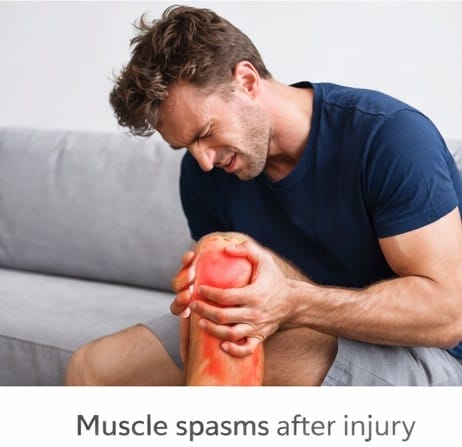
Protective muscle spasm following musculoskeletal injury is one of the most universal and reliably distressing components of the acute injury experience. Whether the underlying injury involves a sprained ligament, a strained muscle, a bruised bone, or soft tissue contusion, the nervous system response of surrounding muscle groups is predictable: reflexive contraction designed to immobilize the injured region and prevent further tissue damage. This protective response, while biologically rational, rapidly becomes a significant pain source in its own right and can impair functional recovery by limiting the controlled movement that is essential for optimal tissue healing. Understanding the mechanisms of injury related spasm and the evidence based approaches to its management helps both patients and clinicians make informed treatment decisions. Patients who are guided to buy carisoprodol after visiting the doctor for acute post injury spasm can benefit from a centrally acting muscle relaxant that reduces the central neural drive maintaining this protective hypertonicity.
The Biology of Protective Spasm
When tissue injury occurs, whether from a sudden traumatic force or from the accumulated microtrauma of overuse, the peripheral nervous system detects the injury through nociceptors embedded in the damaged tissue. These nociceptors, sensitized by locally released inflammatory mediators including prostaglandins, bradykinin, and substance P, generate afferent pain signals that travel to the dorsal horn of the spinal cord. Here, these signals activate not only ascending pain pathways to the brain but also local reflex circuits that produce efferent motor output to the muscles surrounding the injury site, driving them into protective contraction.
The physiological rationale for this reflex is clear: by contracting the muscles around a damaged joint or soft tissue structure, the nervous system creates a natural splint that reduces potentially harmful movement of the injured area. However, the clinical consequence is a sustained involuntary muscle contraction that produces ischemia within the contracting tissue, accumulation of metabolic waste products including lactic acid, and direct mechanical nociceptor activation, all of which generate their own pain signals that feed back into the reflex arc, potentially reinforcing and perpetuating the spasm. This pain spasm pain cycle is one of the central challenges in acute musculoskeletal injury management.
Pharmacological Management
The pharmacological approach to injury related muscle spasm is typically multimodal, addressing both the primary tissue injury and the secondary muscle spasm component through complementary mechanisms. NSAIDs or acetaminophen provide analgesia targeting the inflammatory and nociceptive pain components, while centrally acting muscle relaxants such as carisoprodol specifically address the spasm driven component. This complementary approach often provides more comprehensive pain relief than either agent alone, potentially reducing the required dose of each and improving overall tolerability.
Carisoprodol acts by disrupting the polysynaptic spinal reflex arcs that sustain abnormal muscle tone, reducing the efferent motor drive to the spasming muscles without blocking neuromuscular transmission at the neuromuscular junction. This central mechanism is pharmacologically distinct from topical muscle relaxants and from the neuromuscular blockers used in anesthesia. Patients who order carisoprodol with a valid prescription from their treating physician should use it within the prescribed dosing framework of 250 to 350 mg three to four times daily for no longer than two to three weeks, the period during which pharmacological muscle relaxation provides the greatest benefit relative to its risks.
The reduction of protective spasm achieved through carisoprodol is clinically valuable not primarily because it eliminates pain, though it does reduce it, but because it creates a therapeutic window in which physical rehabilitation can proceed earlier and more effectively. Early controlled movement within pain limits is now well established as the most important prognostic factor in recovery from most musculoskeletal injuries, associated with better organized collagen deposition in healing ligaments and tendons, maintained joint proprioception, reduced muscle atrophy, and lower rates of chronic pain development.
Physical therapists working with post injury patients utilize this pharmacologically reduced spasm to apply manual therapy techniques, begin therapeutic exercise programs, and teach patients the graduated movement patterns that will drive their recovery once pharmacological support is withdrawn. The goal is always to make the transition from pharmacologically assisted to independent movement as smooth and early as possible, with carisoprodol serving as a bridge rather than a permanent support. Patients who purchase carisoprodol at the pharmacy for this purpose should engage actively with their rehabilitation program, attending all scheduled physical therapy sessions and practicing home exercise programs as instructed.
When to Seek Further Evaluation
Not all post injury muscle spasm responds predictably to standard management, and certain clinical features should prompt further evaluation rather than continued empirical treatment. Spasm that fails to show improvement after one to two weeks of appropriate management, spasm associated with neurological symptoms such as radiating pain, numbness, tingling, or weakness in a limb, spasm following significant trauma that might involve fracture or major ligamentous disruption, and spasm associated with fever or constitutional symptoms all warrant clinical reassessment and potentially diagnostic imaging before continuing or escalating pharmacological treatment.
Additionally, patients with recurrent injury related spasm in the same body region should undergo a comprehensive assessment to identify predisposing biomechanical or structural factors that are making them vulnerable to repeated injury. Addressing these underlying factors, whether through targeted strengthening, technique modification, equipment changes, or management of contributing pathology, is essential for reducing long term injury recurrence risk and the associated pharmacological management burden.