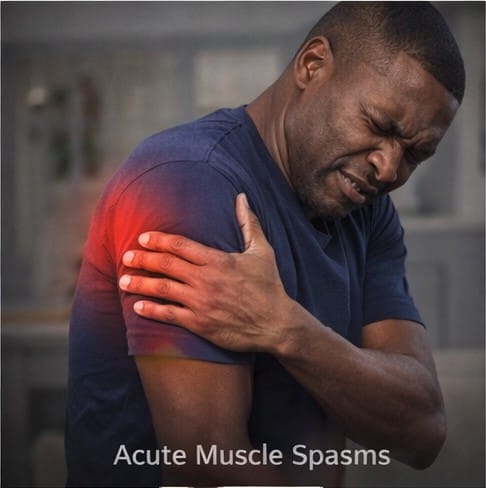
Acute muscle spasms are among the most sudden and disabling pain events in everyday life. Whether triggered by an unexpected movement, physical overexertion, or an underlying musculoskeletal vulnerability, these involuntary, sustained contractions of muscle tissue can produce intense, localized pain that renders the affected area temporarily nonfunctional. From the athlete who feels a hamstring seize mid stride to the office worker whose neck locks painfully after a sudden turn, acute muscle spasms affect people of all ages and activity levels. Understanding the mechanisms behind these episodes and the pharmacological options available for their management is essential for both patients and clinicians.
Among the centrally acting muscle relaxants used in clinical practice, carisoprodol has a well established history of use for the short term relief of acute muscle spasm related discomfort. Patients who are advised to buy carisoprodol with medical prescription as part of an acute spasm management protocol should understand both the benefits this medication offers and the framework of responsible use that ensures its safety. When obtained properly, for example, choosing to purchase carisoprodol at the pharmacy after a thorough evaluation by a licensed physician, it can provide significant short term relief during the most painful phase of an acute spasm episode.
The Physiology of Muscle Spasm
A muscle spasm occurs when a muscle or group of muscles contracts involuntarily and fails to relax within the expected timeframe. At the cellular level, this involves the sustained release of calcium ions within the muscle fiber, which perpetuates the actin myosin cross bridge cycling that underlies contraction. Normally, this process is tightly regulated by neural input from the motor cortex and spinal cord, as well as by local cellular mechanisms that restore calcium to intracellular storage compartments after contraction. When this regulation breaks down, due to local tissue injury, fatigue, dehydration, electrolyte imbalance, or neural sensitization, the result is an uncontrolled, sustained contraction that we experience as a spasm.
The pain associated with muscle spasm has multiple origins. Direct mechanical activation of nociceptors embedded within the muscle tissue by the sustained contraction itself generates pain signals. Additionally, the metabolic demands of an involuntarily contracting muscle rapidly exceed local blood supply capacity, producing ischemia and the accumulation of lactic acid, potassium, and other pain sensitizing metabolites in the interstitial fluid surrounding the muscle fibers. This metabolic pain component can persist even after the initial spasm has subsided, explaining why spasm affected areas remain tender and uncomfortable for hours to days after the acute episode.
Reflex spasm, spasm triggered by a primary injury in adjacent structures such as an intervertebral disc, facet joint, or ligament, adds a further dimension. In these cases the muscle spasm is a protective response mounted by the nervous system to immobilize and protect the injured area, but the protective contraction itself becomes a significant additional pain source. This reflex mechanism is particularly important in lumbar and cervical spine injuries, where paraspinal muscle spasm commonly accompanies and compounds the pain of the primary structural injury.
Carisoprodol: Mechanism of Action
Carisoprodol is a centrally acting skeletal muscle relaxant whose primary pharmacological effect occurs in the central nervous system rather than directly at the muscle fiber. It does not block neuromuscular transmission at the neuromuscular junction, the site of action of neuromuscular blocking agents used in anesthesia, but instead acts centrally to disrupt the polysynaptic spinal reflex arcs that sustain abnormal muscle tone and spasm. By reducing interneuronal activity in the spinal cord and the descending reticular formation of the brainstem, carisoprodol decreases the excessive motor output that drives involuntary muscle contraction.
Carisoprodol is metabolized in the liver to meprobamate, an anxiolytic and sedative agent with activity at GABA A receptors. This metabolic conversion contributes to the sedative, anxiolytic, and muscle relaxant properties of carisoprodol beyond those of the parent compound itself. The sedative component, while useful in patients whose spasm is aggravated by anxiety or poor sleep, is also the source of some of the drug’s most clinically significant adverse effects and abuse potential.
Carisoprodol is approved for the short term, generally two to three weeks, relief of discomfort associated with acute, painful musculoskeletal conditions including muscle spasm. It is prescribed as an adjunct to rest, physical therapy, and other supportive measures rather than as a standalone treatment. The standard adult dose is 250 to 350 mg taken three times daily and at bedtime. The bedtime dose is particularly important in clinical practice, as nocturnal muscle spasm frequently disrupts sleep, and the sedative properties of the bedtime dose can improve both spasm control and sleep quality simultaneously.
Patients who order carisoprodol online with a valid prescription from their physician should follow the prescribed schedule precisely and should not exceed the recommended daily dose. The drug is intended for short term use, and its continued efficacy and safety profile are best maintained within the approved treatment duration. Extending use beyond the recommended period significantly increases the risk of tolerance, physical dependence, and the development of withdrawal symptoms upon discontinuation.
Side Effects and Precautions
The most commonly reported adverse effects of carisoprodol include drowsiness, dizziness, headache, and in some patients an idiosyncratic reaction following the first dose, characterized by agitation, disorientation, visual disturbances, and sometimes euphoria, that resolves spontaneously within minutes to hours. This idiosyncratic reaction, while alarming, is not predictive of subsequent reactions and does not necessarily preclude continued use, though it should always be reported to the prescribing physician.
Carisoprodol potentiates the central nervous system depression produced by alcohol, opioids, benzodiazepines, and other sedative medications. This combination can produce dangerous levels of sedation and respiratory depression, and patients should be counseled explicitly to avoid alcohol and other central nervous system depressants during treatment. Carisoprodol should be used with particular caution in older adults, who are more sensitive to its sedating effects, and in patients with hepatic or renal impairment, where reduced drug clearance may lead to accumulation.
Responsible Use and Supervision
Given carisoprodol’s Schedule IV controlled substance classification in the United States and similar regulatory status in many other countries, responsible prescribing and patient education are essential components of its clinical use. The drug’s abuse potential, mediated largely through its meprobamate metabolite, means that it should be prescribed with care in patients with a history of substance use disorders. Regular reassessment of the continuing clinical need, prompt discontinuation when acute symptoms resolve, and clear patient education about the importance of not sharing the medication with others are all important aspects of responsible carisoprodol management.
Patients who have been evaluated and prescribed this medication should purchase carisoprodol with a valid prescription through licensed pharmacy channels. This ensures that the dispensed medication is genuine, properly labeled, and accompanied by appropriate pharmacist counseling. Obtaining muscle relaxants through unlicensed or unregulated channels carries significant risks including receipt of counterfeit or contaminated products and absence of the medical supervision that is essential for safe use. With proper medical oversight and patient adherence to dosing guidelines, carisoprodol provides valuable short term relief during the most acutely painful phase of muscle spasm episodes.