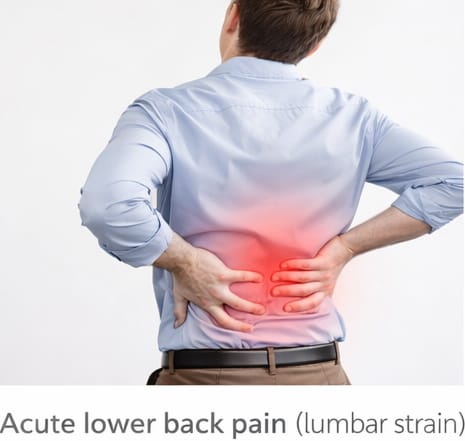
Acute lower back pain caused by lumbar strain is one of the most disabling short term musculoskeletal events a person can experience. The sudden onset of severe pain following a lifting injury, an awkward twist, or even a prolonged period of poor posture can leave an individual unable to stand, walk, or sleep comfortably. In the acute phase, which typically spans the first seventy two hours, the combination of direct tissue injury, local inflammation, and reflex protective muscle spasm creates a pain experience that is often disproportionate to the underlying structural damage. Understanding this condition and the pharmacological tools available for its management is essential for anyone seeking effective relief. Patients who are advised to buy carisoprodol with medical prescription as part of their acute lumbar strain management protocol can benefit from a centrally acting muscle relaxant that specifically targets the spasm component of their pain, reducing one of the most functionally limiting elements of the acute injury period.
The Anatomy of Lumbar Strain
The lumbar spine comprises five large vertebrae, L1 through L5, that bear the majority of the mechanical load during upright posture, forward bending, lifting, and rotational movements. Surrounding and supporting these vertebrae are the paraspinal muscles, a complex layered system including the erector spinae group, the multifidus, and the quadratus lumborum, all of which must work in coordinated fashion to maintain spinal stability while allowing purposeful movement. The ligaments and intervertebral discs add passive stability to this dynamic system.
Lumbar strain occurs when the muscles, tendons, or ligaments of this region are subjected to forces exceeding their tolerance. This commonly happens during sudden unguarded movements, lifting with a flexed and rotated spine, or the cumulative effects of repetitive loading without adequate recovery. The resulting microtrauma triggers an inflammatory cascade in the affected tissues, producing local swelling, prostaglandin mediated sensitization of nociceptors, and a reflex protective muscle spasm that the nervous system initiates to immobilize the injured segment.
This reflex spasm, while physiologically rational as a protective mechanism, becomes a significant additional pain source. The sustained involuntary contraction of large paraspinal muscles produces ischemia within the contracting tissue, accumulation of pain sensitizing metabolites including lactic acid and potassium, and direct mechanical activation of nociceptors within the muscle fibers themselves. The result is a self reinforcing pain spasm pain cycle that can maintain severe pain and functional impairment well beyond the initial period of tissue injury.
Carisoprodol in Lumbar Strain Management
Carisoprodol is a centrally acting skeletal muscle relaxant that disrupts polysynaptic spinal reflex arcs sustaining abnormal muscle tone, reducing the paraspinal hypertonicity that drives the most functionally limiting component of acute lumbar strain pain. By interrupting the neural drive maintaining protective spasm, it lowers the muscular pain contribution and enables patients to achieve movement and positions that would otherwise be impossible. This improved mobility is not merely a matter of comfort, controlled, pain guided movement is now recognized as a critical driver of recovery from lumbar strain, with prolonged immobilization associated with worse outcomes than early graduated activity.
Patients who order carisoprodol with a valid prescription from their physician for this indication should understand that the drug is intended as a short term adjunct to rest, analgesics, heat therapy, and progressive mobilization, not a standalone replacement for these other elements of care. The standard dosing of 250 to 350 mg three times daily and at bedtime, for a maximum period of two to three weeks, aligns with the natural course of acute lumbar strain during which muscle spasm is the dominant pain driver.
Effective management of acute lumbar strain requires a multimodal approach. NSAIDs such as ibuprofen or naproxen address the inflammatory and primary nociceptive components of pain, reducing prostaglandin mediated sensitization. Topical heat applied to the lumbar region promotes local vasodilation, increases blood flow to the spasm affected muscles, and has a direct analgesic effect mediated through heat sensitive ion channels that gate pain signal transmission in the affected nerves. Ice application in the first twenty four to forty eight hours can reduce localized inflammatory swelling.
Patient education is among the most impactful interventions in acute lumbar strain. Many patients believe incorrectly that remaining in bed until pain fully resolves is the safest strategy, when in fact prolonged bed rest promotes deconditioning, heightens pain sensitization, and delays recovery. Guidance on safe, graduated return to activity, walking short distances initially, progressively increasing as tolerance improves, and reassurance about the typically favorable prognosis of acute lumbar strain substantially improves both recovery speed and patient anxiety levels.
Side Effects and Safe Use
The most clinically relevant adverse effects of carisoprodol include drowsiness, dizziness, and headache. These are generally dose dependent and most pronounced during the initial days of treatment, diminishing as the patient adjusts to the medication. The sedating effects require caution regarding driving and operation of machinery, particularly during the initiation phase. Carisoprodol significantly potentiates the central nervous system depression produced by alcohol, opioids, and benzodiazepines, and patients must avoid these combinations during treatment.
The drug is a Schedule IV controlled substance in the United States due to its recognized potential for misuse and physical dependence, mediated through its meprobamate metabolite. Appropriate prescribing for the shortest effective duration, combined with clear patient counseling about these risks, forms the basis of responsible clinical use. Patients who purchase carisoprodol at the pharmacy after a physician evaluation should carry their prescription and follow all dispensing instructions carefully, taking advantage of pharmacist counseling on drug interactions and dosing schedules.
Prevention and Long Term Back Health
Preventing recurrent lumbar strain requires addressing the biomechanical, postural, and lifestyle factors that predispose to injury. Core muscle strengthening, targeting the deep stabilizing muscles of the lumbar spine including the multifidus and transversus abdominis, significantly reduces recurrence risk when performed consistently as part of a structured rehabilitation program. Proper lifting technique emphasizing neutral spine mechanics and engagement of core musculature before exertion reduces the peak loads experienced by lumbar structures during high risk activities.
Ergonomic assessment of the workplace, chair height, monitor position, keyboard placement, and availability of anti fatigue matting for standing workstations, addresses the cumulative postural loading that increases lumbar strain vulnerability over time. Weight management reduces the static load on lumbar structures during all activities. Regular aerobic exercise maintains the cardiovascular fitness and general musculoskeletal conditioning that support lumbar spine health over the long term. With appropriate acute management and consistent preventive strategies, most patients with acute lumbar strain achieve full recovery and can substantially reduce their risk of future episodes.