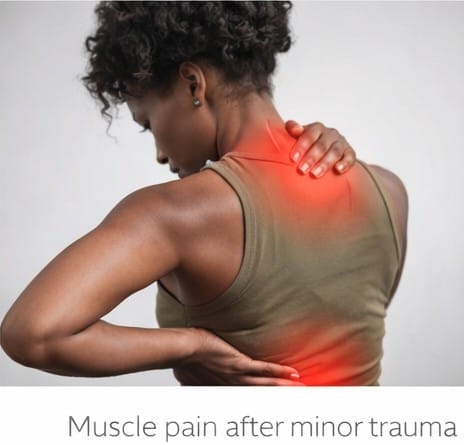
Muscle pain following minor trauma, including low speed vehicular impacts, workplace accidents, sports injuries, falls, and other events that subject the body to sudden unexpected forces, presents a distinct clinical challenge that differs in important ways from both purely acute traumatic injury and chronic musculoskeletal pain. The pain following minor trauma may be delayed in onset, disproportionate to the apparent severity of the precipitating event, and associated with a complex of accompanying symptoms, anxiety, sleep disruption, hypervigilance to pain, and sometimes post traumatic stress symptoms, that influence the pain experience and its clinical trajectory in ways that extend beyond simple tissue injury management. Pharmacological management including centrally acting muscle relaxants plays an important role in the acute phase. Patients who are directed to buy carisoprodol after visiting the doctor following minor trauma can benefit from a medication that specifically addresses the reflexive protective spasm that is often the dominant pain driver in the first days to weeks after such events.
The Distinctive Features of Post Traumatic Muscle Pain
Muscle pain following minor trauma often has clinical features that distinguish it from post exercise or purely postural muscle pain. The onset is frequently delayed, the patient may feel relatively well immediately after the event but wake the following morning with severe pain and stiffness as the inflammatory cascade develops fully. This delayed onset can be distressing to patients who interpret the escalating pain as evidence of a more serious injury than initially apparent, and clinician reassurance that delayed onset post traumatic pain is a normal physiological response rather than a sign of worsening injury is an important early management step.
The pain is typically distributed across the muscle groups that were most loaded during the impact, the cervical paraspinals, trapezius, and sternocleidomastoid in whiplash mechanism injuries; the lumbar and thoracic paraspinals in compressive loading events; the shoulder girdle musculature in impact to the upper extremity. The character of the pain reflects the combined contributions of primary muscle injury, reactive protective spasm, and the inflammatory sensitization of nociceptors in the affected tissues.
Psychological Dimensions of Post Traumatic Pain
The psychological context of pain following traumatic events adds an important dimension to clinical management. The unexpectedness of trauma, the associated loss of perceived control, and the potential for ongoing legal, insurance, or occupational consequences all influence the pain experience in clinically significant ways. Anxiety about the meaning of symptoms, whether the pain indicates serious structural damage, whether full recovery is possible, whether the symptoms justify the level of disability being experienced, amplifies pain perception through central sensitization mechanisms and can significantly prolong the clinical course if not addressed.
Acute stress responses following trauma, hypervigilance, re experiencing intrusive memories of the event, avoidance of situations associated with the trauma, and autonomic arousal, maintain elevated sympathetic tone that directly perpetuates muscular hypertonicity through the same mechanisms described for stress related muscle pain. In patients where these psychological responses are prominent, addressing them concurrently with physical management produces substantially better outcomes than focusing exclusively on the musculoskeletal component.
NSAIDs address the inflammatory and primary nociceptive pain components of post traumatic muscle injury, reducing prostaglandin mediated nociceptor sensitization and improving the local biochemical environment for tissue healing. For presentations with significant muscle spasm, which is nearly universal in the early post traumatic period following soft tissue injuries, carisoprodol provides targeted central reduction of the reflex protective hypertonicity that constitutes the dominant functional limitation. Patients who order carisoprodol with a valid prescription from their treating physician for post traumatic spasm management should combine the medication with the physical and psychological interventions that address the broader dimensions of their recovery.
Opioid analgesics are generally not indicated for minor trauma related muscle pain and carry risks including sedation, constipation, and dependence that are disproportionate to the clinical need in this setting. When severe pain appears to require opioid level analgesia following minor trauma, this should prompt reassessment to exclude more serious structural injury rather than reflexive opioid prescription. The combination of NSAIDs, appropriately dosed acetaminophen, and short term carisoprodol provides effective analgesic and muscle relaxant coverage for the vast majority of minor trauma related muscle pain presentations without the risks associated with opioid use.
Rehabilitation and Recovery Expectations
The majority of patients with muscle pain following minor trauma recover fully within four to twelve weeks with appropriate management. Establishing realistic recovery expectations at the first clinical contact reduces anxiety about symptom duration and prevents the catastrophizing that significantly prolongs the pain experience. Patients should understand that some fluctuation in symptoms during recovery, including temporary worsening following increased activity, is normal and expected rather than indicative of re injury or delayed healing.
Progressive return to normal activities, beginning with low demand activities that produce no symptom exacerbation and gradually reintroducing more demanding activities as tolerance improves, is the foundation of functional recovery. Physical therapy addressing the specific muscle groups injured, the cervical spine and paraspinal muscles in whiplash presentations, and the postural and ergonomic factors that may exacerbate recovery provides the rehabilitative framework within which pharmacological management operates. Patients who purchase carisoprodol at the pharmacy as part of their post traumatic recovery plan should maintain their scheduled follow up appointments, as clinical monitoring during the recovery period identifies complications early and allows timely adjustment of the management approach to optimize outcomes.