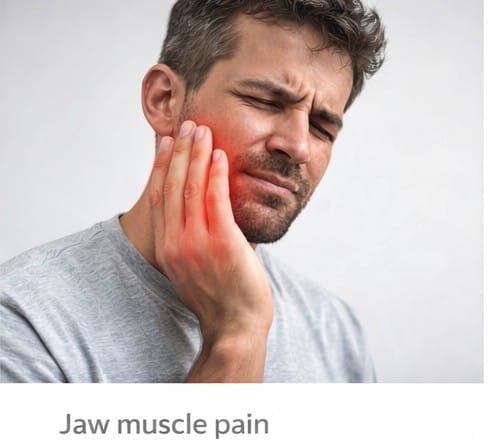
Pain arising from tension and spasm in the muscles of mastication, the jaw closing muscles primarily comprising the masseter and temporalis, and the jaw opening and positioning muscles including the medial and lateral pterygoids, represents one of the most prevalent and frequently underdiagnosed forms of musculoskeletal pain affecting the head and face region. This condition, often categorized under the broad umbrella of temporomandibular joint and muscle disorders or temporomandibular dysfunction, is characterized by jaw pain, restricted mouth opening, muscular tenderness on palpation, and a characteristic referred pain pattern to the temples, periorbital region, and posterior neck that frequently leads patients and clinicians to focus on the referred pain site rather than the masticatory muscles as its source. Patients presenting with severe jaw muscle tension and spasm who receive a physician evaluation and are directed to buy carisoprodol with medical prescription as part of their acute management should understand that centrally acting muscle relaxants address the muscular hypertonicity component of their condition, an important piece of the management puzzle in presentations where spasm is prominent.
The Masticatory Muscles and Their Vulnerabilities
The masseter, the large, powerfully built muscle on the side of the face whose lower border defines the mandibular angle, is the primary jaw closing muscle and the structure most commonly involved in bruxism related and stress related jaw muscle pain. Its superficial and deep portions generate the substantial vertical forces of mastication, and during episodes of nocturnal bruxism it can generate forces approaching those achieved during maximal voluntary clenching, maintained for minutes to hours across a night of sleep. The resulting muscular fatigue, microtrauma, and reactive hypertonicity produce the jaw pain, morning headache, and facial tension that characterize bruxism related temporomandibular muscle disorder.
The temporalis, fanning broadly across the temporal fossa above and in front of the ear, contributes to jaw closing and provides the retrusive forces that position the mandible posteriorly. Trigger points within the temporalis generate referred pain directly to the temporal region, pain that patients and providers frequently attribute to tension headache rather than to the masticatory muscle origin. The medial and lateral pterygoid muscles, deep within the infratemporal fossa, control the fine motor positioning of the mandible during chewing and speaking, and their spasm produces pain in the preauricular region, the angle of the jaw, and in the case of the lateral pterygoid, sometimes in the temporomandibular joint space itself.
Causes and Perpetuating Factors
The most prevalent cause of masticatory muscle tension and spasm is bruxism, the parafunctional habit of clenching or grinding the teeth, occurring most commonly during sleep but also during periods of intense concentration or psychological stress during waking hours. Bruxism is driven by a complex interaction of neurological, psychological, and dental factors that is not fully understood, though its close association with psychological stress, anxiety, and autonomic arousal is well established.
Oral parafunctional habits, including nail biting, pen chewing, habitual gum chewing, and unilateral chewing preferences, maintain the masticatory muscles in states of chronic asymmetric loading that produce muscle fatigue, trigger point development, and the characteristic unilateral pain pattern of many temporomandibular muscle disorder presentations. Dental malocclusion, improper alignment of the upper and lower teeth, places uneven mechanical stresses on the joint and masticatory muscles during chewing and clenching, contributing to muscular pain in anatomically predisposed individuals.
The management of jaw muscle tension and spasm requires a multidisciplinary approach involving dentists, physical therapists, and when the pain is severe or associated with systemic muscle tension, medical providers. Occlusal stabilization splints, custom made acrylic appliances worn over the teeth, typically at night, reduce the compressive forces on the temporomandibular joint and provide a barrier against tooth to tooth contact during nocturnal bruxism. They do not address the neurological drive producing the bruxism but reliably reduce its mechanical consequences for the joint and muscles.
Physical therapy targeting the masticatory muscles and the frequently involved cervical spine includes myofascial release of the masseter and temporalis, trigger point treatment, manual therapy addressing the cervical spine contributions to jaw muscle hypertonicity, and patient education on oral habit awareness and correction. Botulinum toxin injections into the masseter and temporalis produce clinically significant reductions in muscle hypertonicity and bruxism related pain, with effects lasting three to four months per treatment cycle and evidence accumulating for both short term and medium term effectiveness. Order carisoprodol online with rx from a physician or specialist when severe acute jaw muscle spasm warrants centrally acting muscle relaxation alongside these specific dental and physical therapy interventions.
Psychological and Behavioral Management
Given the central role of psychological stress and anxiety in driving bruxism and masticatory muscle tension, behavioral and psychological interventions are important components of comprehensive temporomandibular muscle disorder management. Biofeedback training, using surface electromyography electrodes placed over the masseter and temporalis to provide real time feedback on muscle activity, enables patients to develop awareness of their jaw clenching habits and learn voluntary relaxation of the masticatory muscles. This technique has substantial evidence supporting its effectiveness for reducing both bruxism frequency and associated pain.
Cognitive behavioral therapy addressing the stress and anxiety that drive bruxism reduces the central sympathetic arousal that perpetuates masticatory muscle hypertonicity through autonomic mechanisms. Sleep hygiene optimization improves the quality and restorative value of sleep, reducing the sleep related arousal events that precipitate bruxism episodes. For patients who purchase carisoprodol with a valid prescription as part of acute jaw muscle spasm management, concurrently engaging with these behavioral strategies maximizes the likelihood of achieving lasting rather than purely temporary relief, since the medication addresses current spasm while behavioral interventions reduce the likelihood of future episodes.