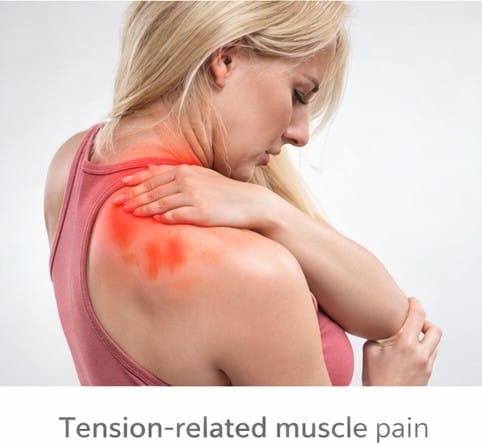
Tension related muscle pain, the diffuse, persistent muscular discomfort that develops as a consequence of sustained physical tension, psychological stress, and habitual postural strain, is one of the most prevalent yet systematically underestimated forms of pain in contemporary clinical practice. Unlike the acute, sharply localized pain of traumatic musculoskeletal injury, tension related muscle pain tends to develop gradually and insidiously, accumulating over days to weeks of sustained muscular hypertonicity before reaching a level of severity that prompts patients to seek medical attention. By this point, the pain has typically already disrupted sleep, impaired concentration, reduced productivity, and contributed to a self reinforcing cycle in which ongoing pain generates the anxiety and stress that perpetuate the very muscular tension driving the pain. Patients assessed by a physician who present with significant acute exacerbations of tension related muscle pain may be advised to buy carisoprodol after visiting the doctor as short term pharmacological support, particularly when the spasm component is severe enough to interfere substantially with daily functioning.
The Physiology of Stress Related Muscle Tension
The relationship between psychological stress and musculoskeletal pain is mediated by interconnected neuroendocrine and autonomic pathways. Activation of the sympathetic nervous system in response to psychological stressors increases circulating catecholamine levels, epinephrine and norepinephrine, which among their systemic effects enhance the sensitivity of the muscle spindle stretch reflex, increasing resting muscle tone across multiple muscle groups simultaneously. Chronic sympathetic activation therefore produces a state of diffuse, low grade muscular hypertonicity that over time generates the fatigue, microtrauma, and ischemic pain that characterize tension related muscle pain.
The hypothalamic pituitary adrenal axis contributes through chronically elevated cortisol, which has complex and still incompletely characterized effects on musculoskeletal pain sensitivity. Animal studies demonstrate that chronic stress level cortisol exposure reduces the pain tolerance threshold and increases the duration of pain sensitization following noxious stimuli, effects that may contribute to the heightened pain sensitivity seen in patients with chronic stress related pain conditions. Additionally, stress related changes in breathing pattern, shallow, chest dominant breathing that reduces diaphragmatic movement, maintain elevated tone in the accessory breathing muscles of the cervical and thoracic regions, contributing to the neck, shoulder, and upper back pain that is characteristic of tension related presentations.
Common Distributions of Tension Pain
The distribution of tension related muscle pain reflects the muscle groups most vulnerable to stress driven hypertonicity. The upper trapezius and levator scapulae, the muscles that physically rise when the shoulders are elevated in the classic stress response posture, are almost universally involved, producing the characteristic shoulder girdle tension and aching that patients describe as carrying the weight of the world on their shoulders. The suboccipital muscles and posterior cervical paraspinals develop trigger points that generate the tension headaches and posterior neck pain that frequently accompany occupational and psychological stress.
The paraspinal muscles of the thoracic and lumbar spine also participate in stress related hypertonicity, particularly in individuals who adopt a protective flexion posture during periods of stress, a postural pattern that loads the posterior spinal musculature in sustained eccentric contraction. The jaw closing muscles, particularly the masseter and temporalis, represent another major reservoir of stress related tension that produces temporomandibular pain, earache, and stress related headache patterns distinct from cervicogenic headache.
Pharmacological and Non Pharmacological Management
The management of tension related muscle pain requires simultaneous attention to both the pharmacological and the behavioral psychological drivers of the condition. Carisoprodol can provide meaningful short term relief of the physical spasm component during acute exacerbations, reducing muscular pain and improving functional capacity during the period when non pharmacological interventions are being established. Patients who order carisoprodol with a valid prescription from their physician specifically for tension related exacerbations should understand that the medication addresses symptoms rather than causes, and that its benefits are best realized when used concurrently with stress management, postural correction, and physical therapy.
Non pharmacological interventions addressing the underlying drivers of tension pain are essential for long term management. Progressive muscle relaxation training, systematically tensing and releasing major muscle groups to develop awareness of tension and the ability to voluntarily reduce it, has substantial evidence supporting its effectiveness for tension related pain and is accessible as a self management strategy once learned. Diaphragmatic breathing retraining addresses the chest dominant breathing patterns that maintain cervical and thoracic muscle hypertonicity. Cognitive behavioral therapy for stress and pain management addresses the psychological contributors to muscle tension in ways that pharmacological treatment cannot.
Long Term Strategies
Regular aerobic exercise is among the most powerful long term interventions for tension related muscle pain, operating through multiple mechanisms: reducing sympathetic nervous system arousal, improving sleep quality and duration, elevating endogenous endorphin and enkephalin levels, and directly improving pain tolerance through central sensitization reducing effects. Even moderate intensity exercise of thirty minutes duration performed most days of the week produces clinically meaningful improvements in tension pain burden within four to six weeks.
Sleep hygiene deserves particular attention in tension pain management, as the bidirectional relationship between sleep disruption and musculoskeletal pain is well established. Inadequate or non restorative sleep amplifies pain sensitivity, reduces pain tolerance, and impairs the tissue repair processes that allow recovery from daily microtrauma. Conversely, pain disrupts sleep architecture, reducing slow wave and REM sleep and preventing the restorative functions these sleep stages serve. Addressing sleep quality through behavioral, cognitive, and where appropriate pharmacological means produces improvements in pain burden that extend beyond the direct effects on sleep itself, reflecting the central role of adequate sleep in musculoskeletal recovery.