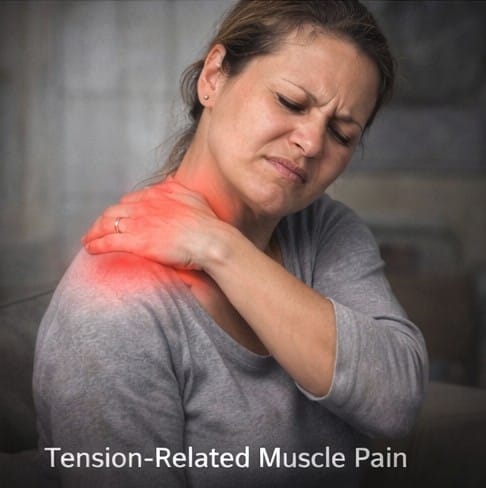
Chronic muscle tightness and pain associated with psychological stress and physical tension represent one of the most prevalent yet underappreciated forms of musculoskeletal discomfort in the general population. Unlike the acute, traumatically induced muscle pain that follows a clearly identifiable injury event, tension related muscle pain develops gradually and insidiously, accumulating over days, weeks, or months of sustained muscular hypertonicity driven by stress, poor posture, and inadequate recovery. By the time patients seek medical attention, the pain has often been present long enough to have disrupted sleep, impaired daily functioning, and contributed to a cycle of anxiety, physical tension, and worsening pain that becomes self perpetuating.
The pharmacological management of tension related muscle pain is challenging precisely because the condition involves both physical and psychological contributors that must be addressed together for lasting improvement. Carisoprodol, a centrally acting muscle relaxant, can provide short term relief of the physical spasm and tightness component during periods of acute exacerbation. Patients who are guided to buy carisoprodol after visiting the doctor for this indication should understand that the medication is most effective when used as a short term adjunct alongside stress management, postural correction, and physical therapy rather than as an ongoing standalone treatment for a condition that requires broader lifestyle and behavioral intervention.
The Stress Muscle Tension Relationship
The relationship between psychological stress and musculoskeletal pain is mediated by several interconnected physiological pathways. Psychological stress activates the sympathetic nervous system, which increases circulating levels of catecholamines, epinephrine and norepinephrine, that among many systemic effects increase resting muscle tone by enhancing the sensitivity of the muscle spindle stretch reflex. Chronically elevated sympathetic arousal therefore produces a state of diffuse, low grade muscular hypertonicity that, over time, produces fatigue, discomfort, and eventually the ischemic and nociceptive changes associated with prolonged muscle contraction.
The hypothalamic pituitary adrenal axis, the neuroendocrine stress response system, further contributes through the chronic elevation of cortisol, which over time has complex and incompletely characterized effects on musculoskeletal tissues, including potential contributions to the heightened pain sensitivity and reduced tissue recovery that characterize chronic stress related pain conditions. Additionally, stress related changes in breathing pattern, including the shallow, chest dominant breathing that often accompanies anxiety and stress, maintain increased tone in the accessory breathing muscles of the neck, shoulders, and upper chest, contributing to the cervical and upper trapezius pain and tension headaches that are characteristic of stress related muscle pain.
The postural component of tension related muscle pain deserves independent recognition. Stress driven postural changes, including forward head carriage, shoulder elevation and protraction, increased thoracic kyphosis, and reduced lumbar lordosis, place musculoskeletal structures into positions of sustained mechanical disadvantage, requiring continuous compensatory muscle activation to maintain upright stance. This continuous, low level muscle activation, sustained throughout the working day and often into sleep if postural habits are deeply ingrained, produces the accumulated fatigue and microtrauma that underlie chronic tension related pain.
Carisoprodol in Acute Exacerbations
During acute exacerbations of tension related muscle pain, when previously manageable chronic tightness escalates suddenly to a degree that significantly impairs function and daily activities, short term carisoprodol use can provide meaningful relief. By reducing the central neural drive maintaining elevated muscle tone, it interrupts the spasm pain spasm cycle that sustains acute exacerbations and creates a window during which physical therapy, stretching, heat therapy, and relaxation techniques can be more effectively applied.
The sedative and anxiolytic properties of carisoprodol, mediated through its meprobamate metabolite, have particular relevance in tension related muscle pain, where anxiety is frequently both a cause and a consequence of the physical symptoms. The reduction in anxiety that accompanies carisoprodol’s central effects can diminish the sympathetic arousal that is driving muscular hypertonicity, creating a pharmacological synergy between its direct muscle relaxant and indirect anxiolytic mechanisms. Patients who order carisoprodol with a valid prescription from their physician specifically for this indication should be aware of this dual mechanism and its implications for activities requiring alertness.
Limitations of Pharmacological Management
The most important limitation of carisoprodol, and of pharmacological muscle relaxants generally, in tension related muscle pain is their inability to address the underlying drivers of the condition. The stress, behavioral patterns, postural habits, and psychosocial factors that maintain chronic muscular hypertonicity are not modified by muscle relaxants, meaning that symptom recurrence is nearly universal once medication is discontinued unless these underlying factors are addressed. This limitation makes it critically important that pharmacological treatment is explicitly positioned as a short term symptom management adjunct rather than a long term solution.
Mindfulness based stress reduction, cognitive behavioral therapy for chronic pain and anxiety, progressive muscle relaxation training, diaphragmatic breathing retraining, and biofeedback all have evidence supporting their effectiveness for tension related muscle pain and should be actively recommended alongside any pharmacological intervention. Regular aerobic exercise, which reduces sympathetic nervous system arousal, improves sleep quality, and directly improves pain tolerance through endorphin mediated mechanisms, is among the most powerful non pharmacological interventions available and should be encouraged in all patients with tension related pain.
Prescribing Considerations
Physicians prescribing carisoprodol for tension related muscle pain should be particularly attentive to the potential interaction between the drug’s anxiolytic properties and the possibility of psychological dependence in patients who are already managing chronic anxiety. The relief that carisoprodol provides from both physical muscle tension and associated anxiety may be positively reinforcing in a way that promotes continued use beyond the appropriate short term window. Regular reassessment of the continued clinical need, explicit discussion of treatment duration at the time of prescribing, and proactive transition planning toward non pharmacological management are essential components of responsible prescribing.
Patients who purchase carisoprodol at the pharmacy with medical prescription for tension related muscle pain should discuss with their physician a clear plan for how long the medication will be used, what non pharmacological strategies they will pursue concurrently, and what the criteria will be for reassessing or discontinuing pharmacological treatment. This kind of structured, goal oriented approach to short term muscle relaxant use in tension related pain produces better long term outcomes than open ended prescribing and minimizes the risk of inadvertent long term dependence on a medication that is intended only for short term use.