Fibromyalgia is a complex, centrally mediated pain disorder characterized by widespread musculoskeletal pain, profound fatigue, sleep disturbance, and cognitive dysfunction that affects an estimated two to four percent of the general population, with a pronounced female predominance of approximately seven to one in most clinical series. The pathophysiology of fibromyalgia is now well established as a disorder of central pain processing — specifically, central sensitization in which the pain amplification mechanisms of the central nervous system are pathologically upregulated, lowering the threshold for pain generation and expanding the area over which stimuli are perceived as painful. This central sensitization produces the defining clinical feature of fibromyalgia: pain that is disproportionate to any identifiable peripheral tissue injury or inflammation, distributed across the entire body, and accompanied by a diverse array of symptoms reflecting the widespread influence of the sensitized central nervous system on multiple physiological systems.
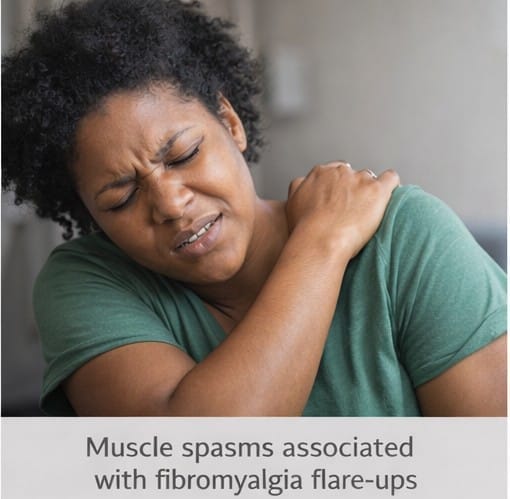
Within the complex pain experience of fibromyalgia, discrete episodes of intensified muscle spasm and regional muscle stiffness — commonly referred to as flares — represent clinically important events that significantly worsen quality of life and frequently require additional pharmacological management beyond the patient’s baseline treatment regimen. These fibromyalgia flares are typically triggered by identifiable precipitants including physical overexertion, sleep deprivation, psychological stress, illness, and weather changes, and they are characterized by intensification of the baseline widespread pain, increased regional muscle tightness and spasm, and substantial functional impairment. Patients experiencing severe fibromyalgia flares dominated by painful muscle spasm and who are evaluated by their rheumatologist or pain specialist may be directed to buy carisoprodol after visiting the doctor as a short-term adjunct to reduce the spasm component of their flare during the most acute phase.
Understanding Fibromyalgia Flares
Fibromyalgia flares are not uniform events but vary considerably in their intensity, distribution, duration, and associated symptom profile between different patients and even between successive flares in the same patient. The muscle spasm component of fibromyalgia flares involves both central nervous system mechanisms — increased descending facilitation of spinal motor neurons from sensitized supraspinal centers — and peripheral mechanisms in the muscles themselves, where the sustained low-level activation characteristic of baseline fibromyalgia muscle dysfunction is amplified during flares to produce clinically overt spasm.
The trigger points that are a defining feature of fibromyalgia — discrete hypersensitive areas in skeletal muscle that are more numerous, more tender, and more widespread than in patients without fibromyalgia — become markedly more active during flares, generating increased referred pain, producing regional patterns of muscle spasm through their influence on local motor neuron activity, and contributing to the diffuse body pain that characterizes severe flares. The interaction between widespread central sensitization and these activated peripheral trigger points creates a mutually reinforcing cycle during fibromyalgia flares in which central sensitization lowers the threshold for trigger point activation, and the increased afferent input from activated trigger points further amplifies central sensitization, sustaining and prolonging the flare.
The psychological and autonomic dimensions of fibromyalgia flares are inseparable from the physical pain component. The distress produced by severe pain activates the hypothalamic-pituitary-adrenal axis and the sympathetic nervous system, producing cortisol and catecholamine elevations that directly increase skeletal muscle tone through their effects on motor neuron and muscle spindle sensitivity. This stress-muscle tension interaction can create a vicious cycle in which pain causes distress, distress increases muscle tension, increased muscle tension worsens pain, and worsening pain generates further distress — a cycle that must be interrupted both pharmacologically and psychologically for effective flare management.
Pharmacological Approaches to Flare Management
The baseline pharmacological treatment of fibromyalgia — typically including one or more of duloxetine, pregabalin, milnacipran, and low-dose tricyclic antidepressants — addresses the chronic central sensitization that underlies the condition but may not provide sufficient acute relief during severe flares when muscle spasm is prominent. Additional acute pharmacological interventions targeting the spasm component are often necessary during flares to maintain functional capacity and prevent the prolonged disability that severe untreated flares can produce.
Centrally acting muscle relaxants provide the most direct pharmacological relief for the muscle spasm component of fibromyalgia flares. Cyclobenzaprine, which has a tricyclic structure and acts on descending serotonergic and noradrenergic systems to reduce gamma motor neuron activity, is commonly used in fibromyalgia for both baseline muscle stiffness and acute flare management. Carisoprodol, which disrupts polysynaptic spinal reflex arcs sustaining involuntary contraction, provides an alternative option with a somewhat different mechanism that some patients find more effective for the acute spasm component. Patients who purchase carisoprodol with medical prescription for fibromyalgia flare management should use it for the shortest necessary duration — the acute spasm phase of the flare rather than as indefinite maintenance — given the drug’s potential for dependence with prolonged use.
The combination of a short course of carisoprodol for acute muscle spasm relief alongside targeted application of heat therapy to the most spasmodic muscle groups, gentle range of motion exercises within pain tolerance, and psychological stress management techniques to reduce the autonomic amplification of muscle tension addresses the flare from multiple angles simultaneously, producing more rapid and complete resolution than any single intervention alone. Patients should order carisoprodol online with rx only through properly licensed pharmacies requiring a valid prescription, ensuring that the medication is dispensed with appropriate pharmacist counseling regarding dosing frequency, drug interactions, and the importance of not exceeding the prescribed duration.
Non-Pharmacological Flare Management
Non-pharmacological strategies are fundamental to fibromyalgia flare management and should be actively implemented concurrently with pharmacological support rather than sequentially after medication. Pacing — the careful management of physical activity levels to remain within the patient’s current energy and pain tolerance envelope during a flare — prevents the pattern of overexertion followed by prolonged worsening that commonly characterizes fibromyalgia flare management in patients who have not learned pacing principles. During a flare, activity levels should be temporarily reduced to sub-symptom-exacerbation levels and then gradually rebuilt as the flare resolves, avoiding both complete rest and the temptation to catch up on activities missed during the acute phase.
Heat therapy — warm baths, heated water pools, heating pads, and warm paraffin wax treatment — provides direct muscle relaxation through thermally mediated vasodilation and reduced muscle spindle sensitivity, and has a well-established role in both baseline fibromyalgia management and acute flare treatment. Gentle aquatic exercise in warm water is particularly beneficial during flares because the buoyancy reduces mechanical loading on tender muscles while the warmth provides therapeutic relaxation, enabling movement and exercise that would be too painful in a terrestrial environment. Mindfulness-based stress reduction and cognitive behavioral therapy for chronic pain provide the psychological tools to manage the distress that amplifies muscle tension during flares, reducing the sympathetically mediated component of the spasm-pain cycle.
Long-Term Flare Prevention
Preventing fibromyalgia flares or reducing their frequency and severity requires attention to the known triggers and a comprehensive strategy for maintaining physiological and psychological resilience. Regular aerobic exercise — graded to avoid post-exertional symptom flaring but progressively maintained — is the most consistently evidence-supported intervention for reducing flare frequency in fibromyalgia, with mechanisms including reduced central sensitization, improved sleep architecture, normalized hypothalamic-pituitary-adrenal axis function, and elevated endogenous endorphin levels. Sleep optimization is equally critical given that sleep deprivation is among the most reliable fibromyalgia flare triggers and that the bidirectional relationship between pain and sleep disruption creates a particularly dangerous vulnerability in this population.
Psychological resilience training — developing the cognitive and emotional skills to manage chronic pain without catastrophizing, to maintain meaningful activity despite pain, and to recognize early warning signs of flare development before they escalate — produces durable improvements in flare frequency and severity that complement the biological effects of pharmacological and physical interventions. Patients who combine these comprehensive self-management strategies with appropriate pharmacological support — including carefully supervised short-term carisoprodol use during the most severe acute flares — achieve the best long-term outcomes in terms of quality of life, functional capacity, and flare frequency reduction.