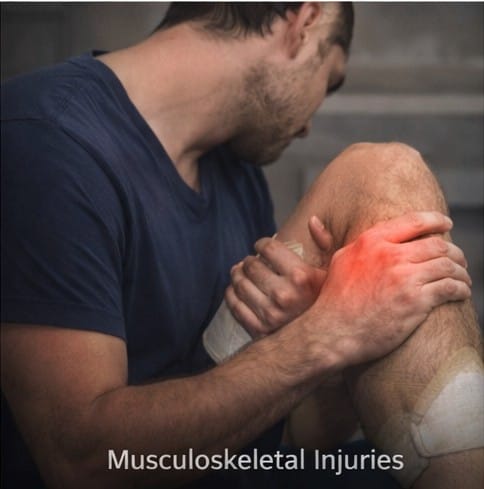
Musculoskeletal injuries encompassing sprains, strains, and minor soft tissue trauma are among the most frequent reasons for unscheduled medical encounters across all age groups and clinical settings. Whether sustained during sporting activity, workplace accidents, domestic incidents, or recreational pursuits, these injuries share a common clinical trajectory: an acute phase of pain, swelling, and functional impairment driven by tissue damage and protective muscle guarding, followed by a subacute healing phase during which pain gradually subsides as tissue repair proceeds. Optimal management of the acute phase, controlling pain sufficiently to permit early mobilization without masking warning symptoms of more serious injury, is critically important for both patient comfort and long term functional outcome.
Carisoprodol has an established role in the pharmacological management of the muscle spasm and pain that accompany musculoskeletal injuries. Patients who are advised to buy carisoprodol online with rx as part of an acute musculoskeletal injury management plan should understand that the medication targets the muscular spasm component of their pain, which is often the most functionally limiting element in the acute phase, rather than addressing all dimensions of tissue injury. Obtaining the medication through proper channels, purchasing carisoprodol at the pharmacy following a physician evaluation, ensures that the diagnosis has been appropriately established and that more serious pathology has been excluded before symptomatic treatment is initiated.
Classification of Musculoskeletal Injuries
Musculoskeletal soft tissue injuries are classified according to the tissue type involved and the severity of damage. Muscle strains involve disruption of muscle fibers, ranging from microscopic fiber tears in Grade I strains producing mild pain and minimal functional loss, through partial thickness tears in Grade II strains producing moderate pain and significant functional limitation, to complete muscle rupture in Grade III strains that may require surgical intervention. Ligamentous sprains are classified on a similar three grade scale, from minor fiber stretching without instability through partial and complete ligament tears.
The inflammatory response to tissue injury is the foundation of the healing process but also the primary source of acute pain. Released prostaglandins, bradykinin, substance P, and histamine sensitize nociceptors in the injured area, lowering their activation threshold and producing the hyperalgesia and allodynia characteristic of the acute injury period. Simultaneously, local edema and cellular infiltration of the injury site create mechanical pressure on surrounding nociceptors. Muscle spasm surrounding the injury site develops as a protective response, reducing movement of the injured structure but adding its own pain contribution through ischemia and metabolic accumulation.
Why Muscle Relaxants Matter in Injury Recovery
The protective muscle spasm that develops following musculoskeletal injury is physiologically rational, it reduces movement of the damaged tissue and prevents further injury, but it creates a clinical management challenge. When spasm is severe, it produces pain that is disproportionate to the primary tissue injury, severely limits functional movement, disrupts sleep, and prevents patient participation in the early mobilization that is essential for optimal healing. A patient whose sprained ankle is surrounded by severely spasming peroneal and gastrocnemius muscles cannot participate in the weight bearing exercises that drive early functional recovery regardless of how well the ligamentous injury itself is managed.
By reducing the central neural drive maintaining protective spasm, carisoprodol lowers this muscular barrier to movement, enabling patients to participate in rehabilitation at an earlier stage and with greater comfort. This earlier rehabilitation engagement consistently improves functional outcomes compared to prolonged rest dominated management, because controlled movement promotes organized collagen fiber deposition in healing ligaments and tendons, maintains joint proprioception, and prevents the muscle atrophy and joint stiffness that develop rapidly with immobilization.
In clinical practice, carisoprodol is most commonly used for musculoskeletal injuries in combination with NSAIDs and structured rehabilitation rather than as monotherapy. The NSAIDs address the inflammatory and primary nociceptive components of pain, while carisoprodol specifically targets the spasm driven component. This combination often provides more comprehensive pain relief than either agent alone and may reduce the required doses of each when used together, potentially improving overall tolerability.
Patients who purchase carisoprodol with medical prescription for musculoskeletal injury management should be counseled that the goal of treatment is not the elimination of all pain, some degree of pain guided movement limitation is physiologically protective during the healing process, but rather the reduction of severe spasm driven pain to levels that permit safe, progressive rehabilitation. Using the medication to achieve complete pain elimination and then moving injured tissue beyond safe limits is counterproductive and can worsen the underlying injury.
Dosing and Duration
Standard carisoprodol dosing for musculoskeletal injuries is 250 to 350 mg three times daily and at bedtime, with treatment typically limited to two to three weeks. For many acute musculoskeletal injuries, even shorter courses of seven to ten days may be sufficient to bridge through the most acutely spasmodic phase. As spasm subsides with tissue healing and progressive mobilization, the need for pharmacological muscle relaxation typically diminishes, and the dose can often be reduced before complete discontinuation.
Patients who order carisoprodol with a valid prescription from their treating physician should not extend the treatment duration beyond what has been prescribed based on their own assessment that they still need it. If acute spasm has not resolved within the prescribed treatment period, a follow up clinical evaluation to reassess the injury and consider alternative or adjunctive management approaches is more appropriate than simply continuing or resuming the medication.
Safety and Drug Interactions
The central nervous system depressant effects of carisoprodol are significantly potentiated by concurrent use of alcohol, opioid analgesics, benzodiazepines, and other sedating medications. In the context of musculoskeletal injury management, where opioids or tramadol may also be prescribed for pain control, this interaction requires careful attention. The combination should be used only when clinically necessary and at the lowest effective doses, with explicit patient counseling about the additive sedation risk and the importance of avoiding alcohol throughout the treatment period.
Carisoprodol is a Schedule IV controlled substance, reflecting recognized potential for dependence and misuse. In the acute musculoskeletal injury setting, the short term, defined duration use that characterizes appropriate clinical application substantially reduces but does not eliminate these risks. Patients with a personal or family history of substance use disorders should discuss this history with their physician before carisoprodol is prescribed, as it may influence the choice of muscle relaxant or require additional monitoring during treatment.